Printing Strategy: When to Use Offset and When to Use Digital
Understanding the Two Giants of Commercial Printing
When you need printed materials for your business — whether it’s brochures, business cards, catalogs, or direct mail pieces — the two primary methods you’ll encounter are offset printing and digital printing. Each has distinct advantages, and knowing when to use which can save you money, time, and frustration.
At Main Graphics, we’ve helped countless businesses across Orange County navigate this exact decision. Here’s what you need to know.
What Is Offset Printing?
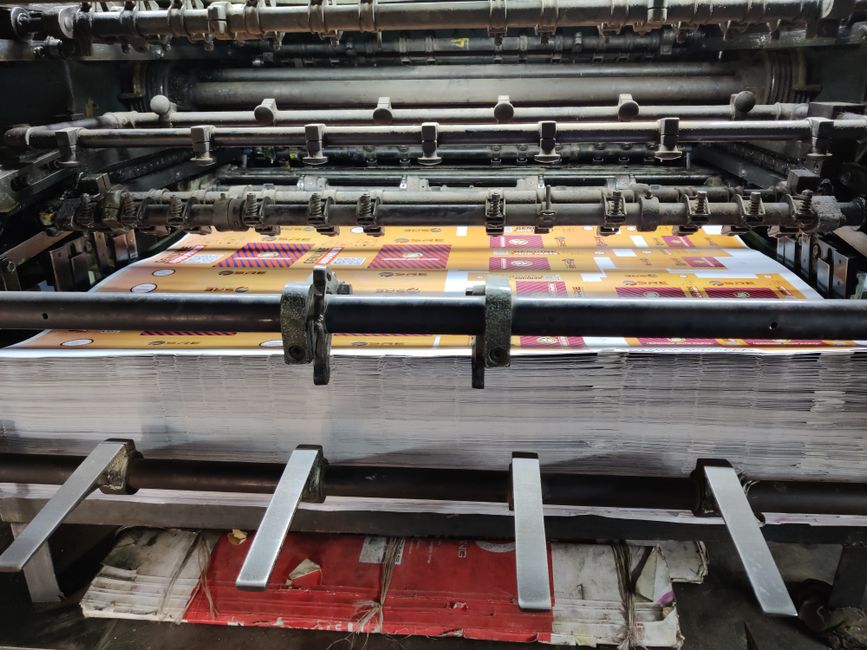
Offset printing, also known as lithography, is a traditional printing method that uses metal plates to transfer ink onto a rubber blanket, which then applies the ink to paper. It’s called “offset” because the ink doesn’t go directly from plate to paper — it’s offset onto the blanket first.
When Offset Printing Shines
High Volume Runs: Offset printing becomes more cost-effective per unit as quantities increase. For runs of 500+ pieces, the setup cost is spread across more units, making it the economical choice.
Superior Color Accuracy: Offset printing uses Pantone Matching System (PMS) inks, allowing for precise color matching. If your brand requires exact color reproduction — think corporate logos or branded materials — offset delivers unmatched consistency.
Wide Substrate Range: Offset presses can print on a vast array of paper stocks, from thin newsprint to heavy cardstock, textured papers, and even some plastics. This flexibility is invaluable for specialty projects.
Larger Format Options: Offset presses can handle larger sheet sizes than most digital printers, making them ideal for posters, banners, and oversized marketing materials.
What Is Digital Printing?
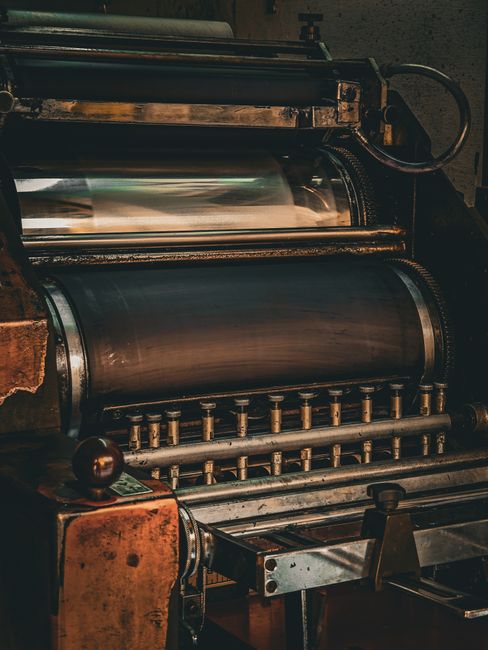
Digital printing applies toner or liquid ink directly onto the paper without the need for printing plates. Think of it like a giant, industrial-grade laser printer — and in many ways, that’s exactly what it is.
When Digital Printing Wins
Short Runs (Under 500): Because there are no plate costs or lengthy setup times, digital printing is far more cost-effective for small quantities. Need 50 business cards or 100 flyers? Digital is your answer.
Variable Data Printing: This is digital’s killer feature. Each piece can be personalized — different names, addresses, images, or offers on every single sheet. Direct mail campaigns with personalized URLs? Digital makes it possible.
Fast Turnaround: Digital jobs can go from file to finished product in hours rather than days. When you need it yesterday, digital delivers.
Proofing and Prototyping: Before committing to a full offset run, digital proofs let you see exactly what the final product will look like. It’s also perfect for creating prototypes and mockups.
Cost Comparison at a Glance
| Factor | Offset Printing | Digital Printing |
|---|---|---|
| Setup Cost | High (plates + makeready) | Low to none |
| Per-Unit Cost (low qty) | High | Low |
| Per-Unit Cost (high qty) | Very low | Moderate |
| Turnaround Time | 3-7 days | 1-2 days |
| Color Matching | Excellent (PMS) | Good (CMYK) |
| Personalization | Limited | Excellent (VDP) |
Real-World Scenarios
Scenario 1: Annual Report (5,000 copies)
Choose Offset. With 5,000 copies of a 24-page booklet, the per-unit cost of offset printing drops dramatically. The color consistency across all pages is critical for brand integrity, and the ability to use a coated stock with a matte finish gives the report a premium feel.
Scenario 2: Real Estate Direct Mail (200 pieces)
Choose Digital. Each mailer needs a different property photo, agent name, and contact info. Variable data printing makes this a digital-only job. Plus, the short run means offset setup costs would be prohibitive.
Scenario 3: Event Brochures (1,000 pieces)
Either works. At 1,000 pieces, you’re in the sweet spot where both methods are viable. If you need them in 48 hours, go digital. If color accuracy is paramount and you can wait a week, offset will give you better quality at a similar price.
The Hybrid Approach
Many print projects benefit from combining both methods. For example, a corporate stationery package might use offset for letterhead and envelopes (high volume, consistent color) and digital for business cards (shorter runs, easier updates).
At Main Graphics, we specialize in helping businesses find the right balance. Our team in Orange County works with you to evaluate your specific needs — volume, timeline, budget, and quality requirements — and recommends the approach that delivers the best results.
Making the Right Choice
Here’s a simple decision framework:
- Under 500 units? Go digital.
- Over 2,000 units? Go offset.
- Between 500-2,000? Consider turnaround time and personalization needs.
- Need variable data? Digital is the only option.
- Need exact PMS color matching? Offset is superior.
- Need it tomorrow? Digital.
Still unsure? Contact Main Graphics for a free consultation. Our printing experts will walk you through your options and provide a quote for both methods so you can compare apples to apples.
Conclusion
Neither offset nor digital printing is universally “better” — they’re different tools for different jobs. Understanding their strengths helps you make informed decisions that save money, improve quality, and meet deadlines. Whether you’re printing 50 personalized mailers or 10,000 corporate brochures, choosing the right method is the first step to a successful print project.
For more information on commercial printing solutions, visit Main Graphics — your trusted partner for printing in Orange County, CA.




Post Comment